
Exploring challenges in wireless access technologies and enabling new multimedia services.
Learn More
Efficient implementation of parallel algorithms on distributed systems.
Visit Site
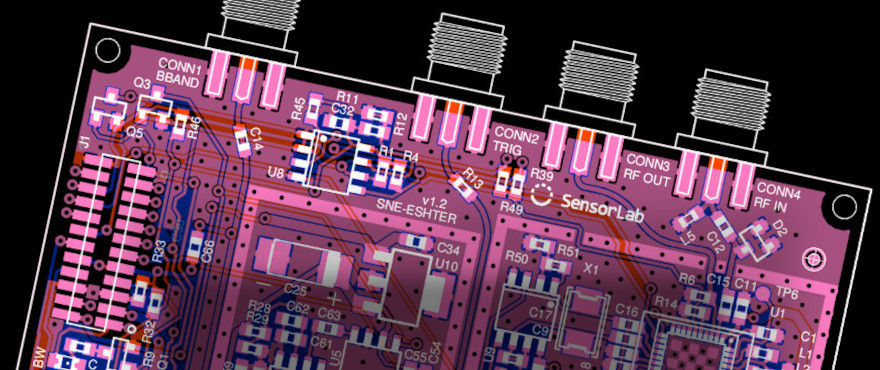
Innovating in the Internet of Things (IoT) and cognitive communications.
Visit Site
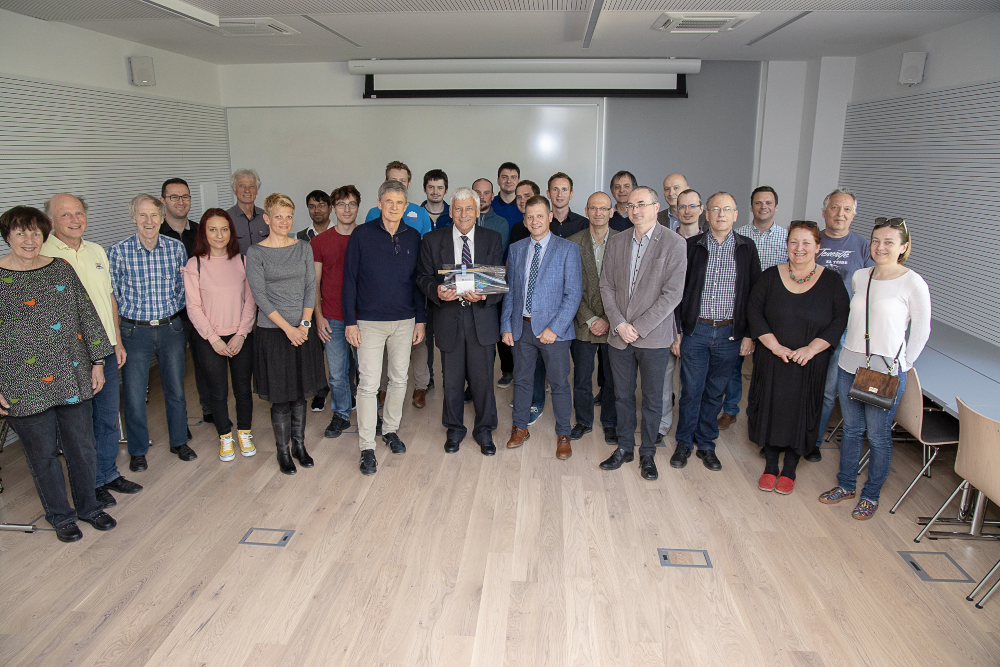

The core activities of the Department of Communication Systems comprise the research, development and design of heterogeneous communication, computer and sensor networks, wireless technologies and next-generation communication services;
the design of new procedures for parallel and distributed computing of computationally intensive problems in various high-performance computing architectures and time-sensitive problems in edge devices; and integration of sensor, communication, scientific computing and data technologies to support digitalization and smart infrastructures.
he research activities within the Communication Technology Laboratory is focusing on different challenges associated with wireless systems by integrating intelligence and environmental awareness for adaptable, efficient, and sustainable networks. The emphasis is on the radio propagation, access networks, management of radio and network resources, localization techniques, and cognitive communications.
View Lab
The Parallel and Distributed Systems Laboratory is focusing on algorithms for computationally intensive and distributed problems across heterogeneous architectures. Our work includes modelling and numerical simulations of complex systems and processes, multi-criteria optimization, big data analysis, and graph theory, applied also to real life problems in different application areas such as smart grids, chemistry and biology.
Visit Site
The Networked Embedded Systems Laboratory is focusing on the areas of the Internet of Things and cognitive communications. We are advancing smart infrastructures through innovative signal processing, time series modelling, and AI-driven decision-making, including representation learning, deep learning, clustering, and classification. This enhances accessibility, usability, and efficiency in networked embedded systems.
Visit Site